Boat Yachting Certify: The Ultimate Guide For Safe And Causative Boating


Boating is an pleasurable natural process that combines stake, rest, and a with nature. Whether exploring lakes, rivers, or coastal Ethel Waters, it is necessary to run a watercraft safely and lawfully. A Boat or Boating Licence is a life-sustaining tool for achieving this, ensuring that boaters are trained, competent, and witting of safety regulations and seafaring rules.

Understanding a Boating Licence

A Boating Licence is an official document that authorizes individuals to operate a boat. It indicates that the holder has completed the necessary training in boating safety, seafaring, and procedures. Regulations vary by body politic, but in most cases, bimotored boats over a certain size or world power want a certify.

Having a license goes beyond legality. It demonstrates responsibleness, enhances safety, and can improve get at to policy coverage. Licensed operators are better equipped to wield emergencies, protect their passengers, and keep off accidents.

Types of Boat Licences

Boat licences are premeditated to suit different purposes and types of vessels:

Recreational Boating Licence For personal leisure time, syndicate trips, or sportfishing.

Commercial Boating Licence Required for professional person activities, such as charters, tours, or transit services.

Personal Watercraft(PWC) Licence Specific to jet skis and other small trimotored watercraft.

International Certificate of Competence(ICC) Recognized internationally, allowing licensed operators to voyage in strange Ethel Waters.

Selecting the right certify ensures specific preparation for your specific boating action.

Who Should Obtain a Boating Licence?

A licence is usually mandate for those who:

Operate trimotored boats surpassing a certain H.P. or engine size.

Use boats for commercial purposes.

Navigate restricted or regulated waterways.

Even if ex gratia, obtaining a license is extremely recommended. It promotes refuge, reduces risks, and gives trust to operators navigating the irrigate.

How to Obtain a Boating Licence

The steps to get a yachting license in general let in:

Enroll in a Boating Safety Course Learn navigation, safety, and emergency procedures.

Pass the Written Exam Demonstrate sympathy of boating laws and refuge guidelines.

Complete Practical Training Show competence in treatment a boat safely on water.

Submit Application and Fees Provide the necessary documents and pay licensing fees.

Receive Your 二級遊樂牌 Once sanctioned, you are lawfully allowed to operate your boat.

Completing these steps ensures that you are equipped for a safe and responsible boating experience.

Boating Safety Tips

Even with a certify, realistic refuge is necessary. Always wear life jackets, ride herd on endure conditions, and keep onboard. Carry emergency tools such as flares, fire extinguishers, and first aid kits. Avoid alcoholic beverage, watch over travel rapidly limits, and honor other vessels. Responsible boating protects yourself, your passengers, and other water users, creating a safer for everyone.

Licence Renewal

Boating licences have a validity time period and need refilling. Renewal may include refresher courses or updated assessments to stay conversant about current safety regulations and navigation rules. Keeping your certify up to date avoids legal penalties and ensures current competency on the water.

Conclusion

A Boat Boating Licence is essential for anyone who wants to enjoy boating safely, legally, and responsibly. It equips operators with the skills, knowledge, and trust to sail waterways while protecting themselves, their passengers, and others. Whether for nonprofessional or commercial message purposes, obtaining a licence is the first step toward a procure and enjoyable yachting undergo. Enroll in secure courses, complete your assessments, and procure your license to make every boating stake safe and unforgettable.

SIM Cards: The Unsung Hero of Mobile Connectivity

In a world dominated by smartphones, tablets, and wearables, one component quietly ensures that these devices stay connected and functional across the globe: the SIM card (Subscriber Identity Module). While we may rarely think about this small, often overlooked chip, the SIM card plays a crucial role in making modern mobile communication possible.

In this article, we’ll dive into the fascinating world of SIM cards, their function, how they work, and how they continue to evolve in the ever-changing world of mobile technology.

What Exactly is a SIM Card?

At its core, a SIM card is a small, removable chip that is inserted into mobile phones and other devices to provide them with access to a cellular network. It holds important information that identifies the user to the mobile carrier’s network, allowing the device to make calls, send messages, and access data services.

The SIM card holds essential information such as:

  • Subscriber information: This includes your phone number, account information, and network-specific data that links you to your carrier.
  • Authentication data: The SIM card stores encryption keys to authenticate your device on the network.
  • Network data: It helps your device connect to the proper mobile network, including enabling you to access voice, text, and data services.

In short, the SIM card is the digital passport that lets your mobile device communicate with your network and stay connected to the rest of the world.

A Journey Through the Evolution of SIM Cards

The SIM card has come a long way since its inception. Introduced in the early 1990s with the GSM (Global System for Mobile Communications) network, SIM cards initially served as a way to identify and authenticate users, enabling them to securely access mobile services. At first, SIM cards were bulky and large in size, but as mobile phones became smaller and more powerful, SIM cards followed suit and evolved.

Here’s a brief look at the evolution of SIM cards:

  1. Standard SIM: The original SIM card, measuring 25mm x 15mm, was the first iteration. It was relatively large compared to today’s standards and used primarily in early mobile phones. These larger SIM cards allowed for easy swapping and upgrading between devices.

  2. Micro SIM: As mobile devices began shrinking, the need for smaller SIM cards became apparent. The micro SIM was introduced and measured 15mm x 12mm. This size became popular with many smartphones as the market moved toward sleeker, more compact devices.

  3. Nano SIM: The nano SIM measures just 12.3mm x 8.8mm and is the smallest SIM card available today. The compact nature of the nano SIM makes it the standard for most modern smartphones, allowing manufacturers to design ultra-thin devices while maintaining connectivity.

  4. eSIM: The latest innovation in SIM card technology is the eSIM, an embedded SIM card that is permanently integrated into a device’s hardware. This new technology allows users to switch networks and activate plans remotely, eliminating the need for a physical SIM card altogether. The eSIM is expected to become the standard for future smartphones, wearables, and other connected devices.

How SIM Cards Work

SIM cards are responsible for ensuring that mobile devices can connect to cellular networks, and their inner workings are quite sophisticated. Here’s how a SIM card facilitates communication:

  1. Identification and Authentication: When you insert your SIM card into a phone and turn it on, your device sends a signal to the mobile network. The SIM card contains a unique identifier called the IMSI (International Mobile Subscriber Identity). The network checks this identifier and verifies whether you are authorized to use the services.

  2. Connection to Network: Once the SIM card is authenticated, it allows the device to connect to the network. It enables the phone to make voice calls, send text messages, and access mobile data by communicating with nearby base stations (cell towers). The SIM card essentially acts as a bridge between your phone and the carrier's network infrastructure.

  3. Security and Encryption: SIM cards are equipped with encryption technology that ensures the privacy and security of communications. They store encryption keys that prevent unauthorized parties from intercepting or tampering with calls, text messages, or data transmissions.

  4. Roaming: Another key feature of SIM cards is roaming, which allows users to stay connected when traveling internationally. By swapping out your SIM card with a local one, you can access more affordable data and voice services in foreign countries, ensuring that your device remains connected to the internet and your contacts.

The Benefits of SIM Cards

Despite their small size, SIM cards offer a range of benefits that have made them indispensable to modern communication. Here are some of the key advantages:

  1. Flexibility: One of the primary benefits of 儲值卡 cards is their portability. By simply swapping out your SIM card, you can move your phone number, contacts, and plan to a new device. This makes upgrading your phone or using a backup device a hassle-free experience. Additionally, SIM cards allow users to easily change carriers or switch between plans as needed.

  2. Global Accessibility: SIM cards facilitate global connectivity. When traveling abroad, you can easily replace your home SIM card with a local one to enjoy more affordable roaming rates. This eliminates the need to rely on expensive international roaming charges while ensuring you stay connected in different countries.

  3. Dual SIM Capability: Many modern smartphones support dual SIM functionality, allowing users to insert two SIM cards into the same device. This is ideal for people who want to keep personal and work numbers separate, or for frequent travelers who wish to maintain both a local and home-based mobile number.

  4. Enhanced Security: SIM cards are designed to keep your data secure. They use encryption to protect communication between your phone and the network, ensuring that private information is not intercepted. In addition, if your phone is lost or stolen, the PIN code feature on your SIM card prevents unauthorized access.

The Rise of eSIM and What It Means for the Future

The future of SIM cards is changing with the introduction of eSIM technology. Unlike traditional SIM cards, eSIMs are embedded directly into a device, meaning there’s no need for a physical card to be inserted or swapped out. This has a range of benefits:

  • Remote Activation: eSIMs allow users to activate and switch between mobile plans digitally, without the need for a physical SIM card. This feature makes it easier for users to switch carriers or activate a new plan, especially when traveling abroad.
  • Space Efficiency: Since eSIMs don’t require a physical slot, device manufacturers can save space in their designs, leading to more compact, slim devices.
  • Multiple Profiles: eSIMs allow users to store multiple carrier profiles on a single device. This is particularly useful for people who travel frequently and need to switch between different carrier networks in various countries.

As more devices, including smartphones, tablets, wearables, and IoT devices, adopt eSIM technology, the traditional SIM card may eventually become obsolete. However, eSIMs still have some challenges to overcome in terms of widespread adoption, such as compatibility issues and the need for carrier support.

Conclusion

While the SIM card may seem like a small, inconspicuous piece of technology, it has a profound impact on how we connect with the world. From providing secure access to cellular networks to enabling seamless communication across the globe, SIM cards are the unsung heroes of mobile connectivity.

With the rise of eSIM technology and advancements in mobile communication, the role of SIM cards will continue to evolve, but their core purpose remains the same: to enable secure, reliable, and flexible communication. As technology advances, the humble SIM card will undoubtedly continue to play a vital role in keeping us connected in an increasingly digital world.

The Impact of HR Systems on Workforce Productivity and Organizational Efficiency

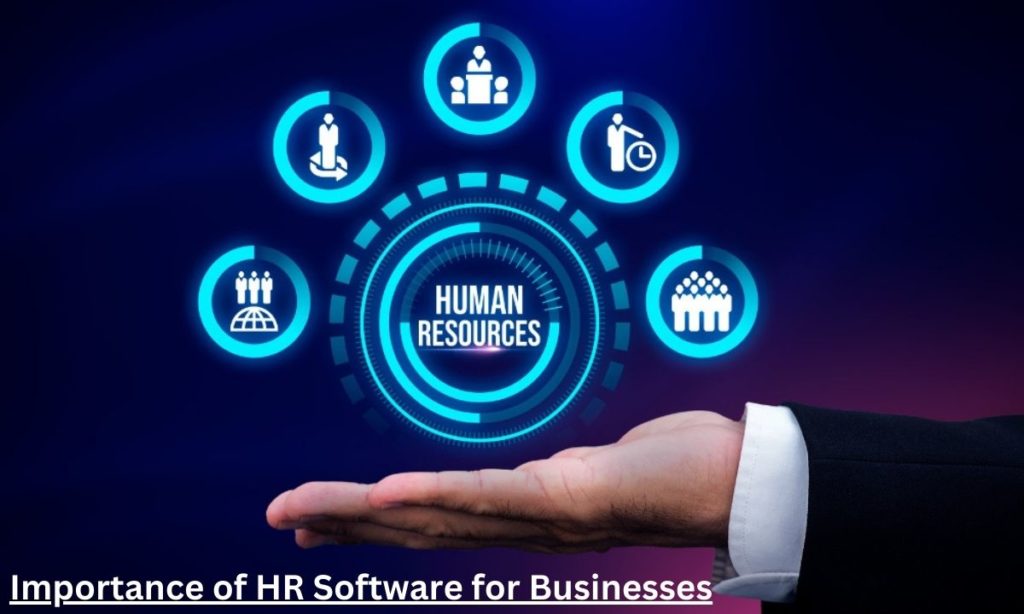
In today’s fast-paced and technology-driven business world, organizations must prioritize efficiency and productivity to stay competitive. One of the key enablers of operational efficiency and workforce productivity is the effective management of human resources (HR). Human Resource (HR) systems, often referred to as Human Resource Management Systems (HRMS) or Human Resource Information Systems (HRIS), have emerged as critical tools for organizations looking to streamline their HR processes and optimize workforce performance.

This article delves into the impact of HR systems on workforce productivity and organizational efficiency, exploring how automation, data-driven insights, and streamlined processes contribute to a more productive and efficient workplace.

What Are HR Systems?

An HR system is a software solution that automates and integrates a variety of HR functions. These functions often include talent acquisition, payroll, performance management, employee data management, learning and development, benefits administration, and time and attendance tracking. The primary goal of HR systems is to reduce manual HR tasks, improve operational efficiency, and provide HR departments with valuable insights to enhance decision-making. By centralizing and automating HR processes, these systems allow businesses to allocate resources more effectively and boost productivity across the organization.

How HR Systems Enhance Workforce Productivity

Productivity is one of the most important indicators of organizational success. A highly productive workforce drives better business outcomes, increased profitability, and overall growth. HR 香港招聘軟件 play a pivotal role in boosting workforce productivity in the following ways:

1. Automation of Routine Tasks

HR systems automate many administrative and time-consuming tasks that were traditionally handled manually by HR departments. Functions such as payroll processing, benefits administration, time-off requests, and employee data management can all be streamlined using HR software.

By automating these tasks, HR departments are free to focus on more strategic activities, such as employee development, recruitment, and engagement initiatives. Employees also benefit from automation, as they can access self-service portals to manage their personal information, track benefits, and submit requests for time off without having to go through HR personnel. This reduction in administrative tasks allows employees to focus on their core responsibilities, leading to improved productivity.

2. Faster Recruitment and Onboarding

HR systems are equipped with Applicant Tracking Systems (ATS) that help organizations streamline the recruitment process. ATS software allows businesses to post job openings across multiple platforms, track candidate applications, and manage the entire hiring pipeline more efficiently. With features like resume parsing and candidate ranking, HR systems help HR teams identify the best-fit candidates quickly and effectively.

Once new employees are hired, HR systems also facilitate the onboarding process. Onboarding workflows, document submission, training modules, and role-specific introductions can all be automated through the HR system, reducing the time it takes to integrate new hires into the organization. A seamless and efficient onboarding experience not only helps new employees get up to speed faster but also contributes to higher retention rates and long-term productivity.

3. Real-Time Performance Monitoring and Feedback

Effective performance management is crucial for maintaining a productive workforce. Traditional annual performance reviews are often seen as inadequate for providing timely feedback. HR systems, however, enable continuous performance tracking through regular check-ins, feedback loops, and performance evaluations.

By using HR systems to monitor employee performance in real time, managers can identify areas where employees excel and where improvement is needed. Continuous feedback ensures that employees are constantly learning and growing, preventing issues from being overlooked until an annual review. This timely feedback can also foster a culture of improvement and motivation, ultimately driving better performance and higher productivity.

4. Workforce Analytics for Smarter Decision-Making

One of the most powerful features of modern HR systems is the ability to collect and analyze workforce data. By tracking key metrics such as employee engagement, absenteeism, turnover, and productivity, HR systems provide valuable insights into workforce performance. These analytics can help organizations make data-driven decisions to improve productivity.

For example, if the system identifies that certain teams have high levels of absenteeism, HR can investigate the cause and take corrective actions. Similarly, performance data can help organizations identify top-performing employees and offer them opportunities for advancement. HR analytics empower managers to make proactive decisions, ensuring that the workforce is constantly improving and aligned with organizational goals.

5. Employee Engagement and Satisfaction

Employee engagement is strongly correlated with productivity. When employees feel valued, supported, and engaged, they are more likely to be motivated to perform well in their roles. HR systems contribute to employee engagement in several ways:

  • Personalized Career Development: HR systems track employees' skills, career goals, and training progress. By offering personalized development opportunities and learning modules, HR systems help employees feel invested in their growth within the company.

  • Recognition and Rewards: Many HR systems feature recognition tools that allow managers to acknowledge employees’ achievements and contributions. Acknowledging hard work and rewarding employees boosts morale and motivation, which in turn improves productivity.

  • Surveys and Feedback: HR systems facilitate regular employee surveys, enabling organizations to understand employee satisfaction levels and identify areas for improvement. By acting on this feedback, organizations create a more positive work environment, which boosts engagement and productivity.

6. Simplified Time and Attendance Management

Accurate time tracking is essential for ensuring that employees are working the correct number of hours and that labor costs remain within budget. HR systems often include time and attendance tracking features, which allow employees to log their hours, request time off, and manage schedules. This automation reduces errors and ensures compliance with labor laws.

By reducing the administrative burden of manually tracking employee hours, HR systems make it easier for both employees and managers to focus on their core tasks. In turn, this streamlining of time management helps organizations avoid mistakes and optimize productivity.

How HR Systems Improve Organizational Efficiency

Beyond workforce productivity, HR systems also play a significant role in enhancing organizational efficiency—the ability to use resources effectively and achieve business goals in the most cost-effective manner. Here’s how HR systems contribute to greater efficiency:

1. Streamlined HR Operations

HR departments often handle a broad array of responsibilities, from recruiting and onboarding to payroll and benefits administration. By automating these functions, HR systems help organizations streamline HR operations and reduce redundancy. This allows HR teams to operate with greater agility, adapt quickly to changing needs, and provide better support to employees and managers.

With a centralized HR platform, all relevant data is housed in one place, making it easier for HR professionals to manage workflows, access information, and stay organized. This improved efficiency in HR operations directly impacts the broader efficiency of the organization.

2. Cost Savings

Manual HR processes are often labor-intensive and prone to errors, both of which can incur additional costs. By automating HR functions such as payroll, benefits management, and recruiting, organizations can significantly reduce administrative overhead. This leads to cost savings by minimizing the need for additional staff and cutting down on human errors.

HR systems also help businesses identify areas where resources are being underutilized or overstaffed, allowing them to make smarter decisions about workforce allocation. The automation of routine tasks also frees up valuable resources that can be directed toward more strategic and value-adding activities, such as talent development and business growth.

3. Compliance and Risk Management

HR systems play a vital role in ensuring that organizations remain compliant with local, state, and federal labor laws. These systems automate the tracking of compliance-related activities, such as tax calculations, benefit administration, and employee classifications. By automatically updating with changing regulations, HR systems help businesses stay in compliance, reducing the risk of costly fines and legal issues.

The ability to quickly access accurate employee records and generate reports also helps organizations prepare for audits and mitigate any potential compliance risks. This proactive approach to compliance improves overall organizational efficiency by preventing disruptions caused by legal or regulatory issues.

The Future of HR Systems and Workforce Productivity

As technology continues to evolve, HR systems will become even more sophisticated, integrating artificial intelligence (AI), machine learning, and automation to further enhance productivity and efficiency. AI-driven systems will be able to analyze vast amounts of data to make predictive recommendations on everything from talent acquisition to employee retention.

As organizations embrace the future of work, HR systems will continue to be central in shaping how work is done, optimizing performance, and driving operational excellence. By harnessing the power of HR technology, businesses can create a more productive, efficient, and engaged workforce.

Conclusion

HR systems have proven to be indispensable tools for enhancing both workforce productivity and organizational efficiency. By automating routine HR tasks, providing data-driven insights, fostering employee engagement, and streamlining HR operations, these systems allow organizations to optimize their resources, improve employee performance, and achieve business goals more effectively. In a competitive business landscape, HR systems are not just a luxury but a necessity for organizations looking to stay ahead of the curve and build a productive and efficient workforce.

Classic Vs. Video Online Slots: Which Should You Play?

The online slot has quickly become the spirit of digital casino entertainment. What began as physical science reels in brick-and-mortar casinos has evolved into vivacious, interactive games available at the click of a release. Today, online slots are enjoyed by millions world-wide for their simple mindedness, variety show, and potency rewards.

Understanding Online Slots

At its core, an online slot is a game of . Players take their stake, weightlift spin, and hope to land victorious combinations on the reels. Every termination is stubborn by a Random Number Generator(RNG), ensuring fair play and volatility with each spin.

Key Elements of an Online Slot

Reels and Rows The grid that holds the game s symbols.

Paylines Patterns that determine successful results.

Wilds Scatters Special symbols that unlock bonuses or supersede other icons.

Bonus Features Free spins, multipliers, and mini-games for supernumerary exhilaration.

Why Online Slots Are So Popular

The solid popularity of online slots comes down to several factors:

Ease of Play No complex rules to learn.

Variety of Themes From ancient civilizations to smash hit movies.

Accessibility Playable anytime, anywhere on mobile or desktop.

Potential for Big Wins Especially in progressive tense jackpot games.

Types of Online Slot Games

Classic Slots Inspired by traditional 3-reel machines.

Video Slots Feature-packed games with immersive art and storylines.

Progressive Jackpot crypto rewards Prize pools grow until one propitious spin wins it all.

Megaways Slots Thousands of ways to win on a unity spin.

Tips for a Better Online Slot Experience

While luck drives the results, smart play can raise your undergo:

Choose slots with a high RTP(Return to Player share).

Use casino bonuses to extend your playday.

Set a disbursement determine before you start.

Try demo mode to teach the game s features first.

The Rise of Mobile Slots

Mobile-friendly designs have made online slots more accessible than ever. Whether on a dejeuner break apart or quiet at home, players can high-quality gameplay on smartphones without sacrificing art or features.

Playing Responsibly

The tickle of online slots can be addictive. Always treat the game as amusement, not a seed of income. Set time and money limits, and take advantage of responsible gaming tools offered by most platforms.

Final Thoughts

The online slot is the hone immingle of tradition and design, offering infinite fun, creative themes, and the possibility of life-changing wins. With so many options available, there s a slot game to suit every taste and title just think of to play hurt and enjoy the journey.

Fog Machinery: Bridging Innovation And Virtual Use


Fog machinery has become a moral force engineering that seamlessly blends creative thinking with practicality. While it is well known for producing theatrical performance effects, its mold stretches much further into industries such as farming, health care, and state of affairs direction. By generating controlled mist, fog machines lick real challenges cognate to sanitization, cooling, and air timber, proving their worth as more than just special personal effects equipment.

How Fog Machines Generate Mist

At the heart of fog machinery lies the work on of atomisation, where liquidness is impoverished down into fine particles. Some machines use heat to vaporize changeable, resultant in midst fog that hangs in the air. Others use inaudible vibrations or high-pressure systems to dot irrigate into a fine mist. These variations allow fog machines to conform to different tasks, from creating immersive represent atmospheres to providing efficient cooling system in industrial facilities.

Expanding Roles in Industry

Industrial environments progressively rely on fog machinery to manage air tone and reduce unwholesome dust. Construction sites and minelaying trading operations benefit from fog systems that subdue particles and ameliorate worker refuge. In factories and warehouses, fog machines put up to climate control, reducing surplus heat and creating more wide working conditions. By tackling ternary situation challenges, fog machinery has become a worthful asset for industrial productiveness.

Agricultural Benefits

In farming and nursery trading operations, fog machines play a critical role in sustaining crops. They cater consistent humidness, which is essential for plant wellness, and help regularise temperature in limited environments. Fogging also allows farmers to utilize treatments across plants, up pest direction and reducing chemical waste. With water conservation becoming progressively of import, fog machinery offers a property root that supports modern agricultural practices.

Public Health and Sanitation

Fog machinery has also established life-sustaining in the healthcare and sanitation sectors. Hospitals, offices, and populace spaces use fogging systems to antimicrobic solutions evenly. The mist reaches areas that are ungovernable to strip manually, ensuring thorough sanitization and reducing the spread of infections. This role became especially substantial during Recent epoch world wellness challenges, where large-scale disinfection was necessary.

Entertainment and Atmosphere

Despite its broader applications, fog machinery continues to reflect in amusement. Concerts, film productions, and theaters use battery fog machine machines to create fascinating seeable effects that hyperbolize lighting and vocalize. Beyond the stage, fog systems are used in theme parks, troubled attractions, and specialised events to swallow audiences in unforgettable experiences. Their ability to transmute ordinary bicycle spaces into extraordinary settings has kept them at the core of the amusement industry.

Looking Toward the Future

As engineering science advances, fog machinery is set to become smarter and more sustainable. Many new models are being premeditated with eco-friendly fluids and energy-efficient systems. Integration with digital platforms allows for machine-driven control, making fog machines more pliable to real-time conditions. Future developments are unsurprising to expand their use even further in mood management, health care, and agriculture.

Conclusion

Fog machinery has tested itself to be a tool of excogitation and versatility. What began as an entertainment set up has big into a multi-industry solution that supports farming, health care, industrial refuge, and state of affairs direction. With current advancements push toward sustainability and mechanisation, fog machines will bear on to play a essential role in shaping efficient and eco-friendly solutions for the hereafter.