
The Importance of Drainage Cleansing: Keeping Your Property Safe and Functional
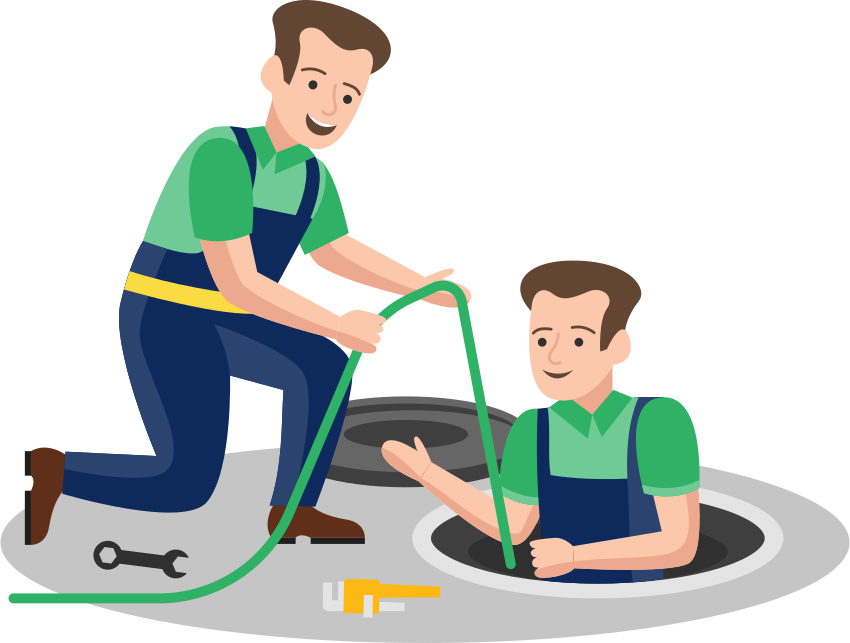
A well-maintained drainage system is one of the most important elements of any property. Whether it’s a residential home, a commercial building, or industrial infrastructure, drainage systems help to manage excess water, ensuring that it flows away from structures and does not cause damage. However, over time, drains can become clogged with debris, leaves, dirt, grease, and even tree roots. When this happens, the system’s ability to perform its function effectively can be compromised. Drainage cleansing is the solution to this problem, and it involves clearing blockages and restoring the flow of water.

In this article, we will delve into the significance of drainage cleansing, various methods for clearing blockages, and practical tips for keeping your drainage system in optimal condition.


Why Drainage Cleansing is Vital

  1. Avoids Flooding and Water Damage

    When drainage systems are clogged, water can accumulate around the property, potentially leading to flooding. If left unchecked, flooding can damage the foundation of a building, ruin landscaping, and cause expensive repairs. Regular drainage cleansing ensures that water can flow freely and prevents the risk of water damage.

  2. Reduces the Risk of Structural Damage

    Blocked drains often result in standing water. When water collects around a property’s foundation, it can weaken the structure over time. The pressure caused by standing water can crack foundations, seep into basements, and cause walls to become damp, leading to long-term structural damage.

  3. Enhances Property Value

    A well-maintained drainage system is an indicator of a well-cared-for property. Buyers and renters are more likely to invest in a property that has no 專業通渠 issues. On the other hand, clogged and poorly maintained drainage systems can deter potential buyers, decrease property value, and lead to costly repairs down the road.

  4. Prevents Health Risks

    Blocked drainage systems can be a breeding ground for harmful bacteria and pests. Stagnant water in clogged pipes or gutters can encourage the growth of mold, mildew, and algae, which are not only unpleasant but also harmful to your health. Moreover, standing water can attract insects, such as mosquitoes, which may carry diseases. Regular drainage cleaning helps to eliminate these health risks.

  5. Preserves the Environment

    When drainage systems are clogged, wastewater can overflow into local waterways or nearby soil, potentially leading to contamination. This can harm local ecosystems, affect aquatic life, and damage plant life. Regular drainage cleansing ensures that water flows properly, reducing the likelihood of harmful overflows and preserving the surrounding environment.


Different Methods of Drainage Cleansing

  1. Manual Cleaning (Snaking or Rodding)

    One of the most basic and common methods of drainage cleansing is manual cleaning. This can be done using a tool called a "drain snake" or "drain rod." This flexible rod is inserted into the drain to break up and remove blockages such as hair, soap scum, or small debris. Manual cleaning is effective for minor blockages in smaller drains and is an affordable option for homeowners.

  2. High-Pressure Water Jetting

    High-pressure water jetting is a more advanced method for clearing blockages and maintaining a clean drainage system. A high-powered hose is inserted into the drain and forces water through at high pressure to remove accumulated dirt, grease, tree roots, and other debris. This method is effective for larger and deeper drains, such as those in commercial buildings or industrial facilities, and provides a long-lasting solution to clogs.

  3. Chemical Drain Cleaners

    Chemical cleaners are designed to dissolve organic material, such as grease, hair, and soap scum, which can build up in drains over time. While effective, they should be used with caution. Many chemical drain cleaners are corrosive and can damage pipes if used too frequently. They can also be harmful to the environment and the health of residents, so it is recommended to use them sparingly or explore more eco-friendly options.

  4. Enzyme-Based Cleaners

    For those who are looking for a more eco-friendly option, enzyme-based cleaners are a great alternative to chemical drain cleaners. These cleaners use natural enzymes and bacteria to break down organic materials in the drain, preventing clogs and keeping the pipes clear. While enzyme-based cleaners take longer to work than chemical ones, they are safe for pipes, the environment, and your health.

  5. CCTV Drain Inspections

    In cases where the blockage is deep or hard to detect, CCTV drain inspections can help. This method involves sending a small camera down the pipes to inspect the condition of the drainage system. A technician can identify the cause of the blockage, whether it’s tree roots, pipe corrosion, or accumulated debris, and then recommend the appropriate course of action for cleaning or repair.


How to Maintain a Clean and Efficient Drainage System

  1. Regular Drain Inspections

    A good practice for homeowners and businesses is to conduct regular inspections of the drainage system. Even if there are no visible signs of trouble, inspecting drains periodically can help identify small problems before they escalate into more significant issues. Catching a potential blockage early can save time and money in the long run.

  2. Use Drain Covers and Filters

    One of the simplest ways to keep drains clear is by installing drain covers or filters. These devices catch larger debris, such as leaves, hair, and food scraps, preventing them from entering the pipes. This helps to reduce the frequency of drainage cleansings and prevents blockages from forming in the first place.

  3. Avoid Pouring Oil or Grease Down the Drain

    Oil and grease are common culprits in drain blockages. When grease is poured down the drain, it can solidify and build up in the pipes, leading to clogs. To prevent this, dispose of grease and oils in a safe manner, such as placing them in a container to be thrown away rather than washing them down the drain.

  4. Use Baking Soda and Vinegar

    A natural and non-toxic alternative for keeping drains clean is using a mixture of baking soda and vinegar. This combination creates a fizzing reaction that can break down minor blockages and remove unpleasant odors. Pour a cup of baking soda followed by a cup of vinegar into the drain, let it sit for 15–20 minutes, and then flush it with hot water.

  5. Professional Drain Cleaning Services

    While regular maintenance is essential, there may come a time when a professional drainage cleaning service is necessary. Professional drain cleaners have access to advanced tools and technologies that can handle large, deep, or complicated blockages. If you're experiencing persistent issues with drainage, it’s wise to call in an expert to conduct a thorough cleaning and inspection.


Conclusion

Drainage cleansing is an essential aspect of property maintenance that can save you from potential disasters, such as flooding, water damage, and structural issues. By understanding the importance of keeping your drains clean, choosing the right cleaning methods, and following maintenance tips, you can ensure that your drainage system continues to function optimally for years to come. Whether it’s a simple DIY fix or hiring a professional, staying on top of drainage maintenance will protect both your property and the environment.

The Healing Power of Chinese Medicine: A Holistic Approach to Health

Chinese medicine, a system of healing that has been practiced for thousands of years, offers a holistic and time-tested approach to health and wellness. It integrates mind, body, and spirit, recognizing that all aspects of an individual are interconnected and that achieving balance in these areas is essential for overall well-being. In this article, we will explore the foundations of Chinese medicine, its key therapeutic modalities, and how it continues to offer solutions to modern health challenges.

The Foundations of Chinese Medicine: Ancient Wisdom

Chinese medicine is based on principles that have been passed down through generations, drawing on philosophical ideas, empirical observation, and a deep understanding of human physiology. At the heart of this ancient system is the belief that health is a state of balance, both within the body and in relation to the external environment.

1. Qi (Chi) – The Vital Energy

One of the central concepts in Chinese medicine is Qi, often translated as “vital energy” or “life force.” Qi is thought to flow through the body in pathways called meridians, which are like highways for the body’s energy. These meridians connect various organs, tissues, and systems, allowing for the free flow of energy that is necessary for life and health.

When Qi flows smoothly and without obstruction, the body is in harmony, and health is maintained. However, when Qi becomes stagnant, weak, or imbalanced, it can lead to illness. The goal of Chinese medicine is to restore the smooth flow of Qi, allowing the body to heal itself naturally.

2. Yin and Yang – The Balance of Opposites

The concept of Yin and Yang, which comes from Taoist philosophy, is another key principle in Chinese medicine. These two forces represent complementary but opposing aspects of the universe. Yin is associated with qualities such as cold, rest, nourishment, and passivity, while Yang represents warmth, activity, energy, and expansion.

In health, both Yin and Yang must be in balance. If one force is dominant or deficient, it can result in illness. For example, an excess of Yang might cause inflammation, fever, or restlessness, while a deficiency of Yin could lead to dryness, fatigue, or night sweats. Practitioners of Chinese medicine work to restore harmony between Yin and Yang, ensuring that both energies are balanced for optimal health.

3. The Five Elements – A Framework for Understanding Health

The Five Elements theory is another fundamental aspect of Chinese medicine. The Five Elements—Wood, Fire, Earth, Metal, and Water—represent different phases of life and the natural world, each associated with specific organs, emotions, seasons, and other physiological functions. The interactions between these elements are used to diagnose and treat health imbalances.

  • Wood corresponds to the Liver and is related to the emotion of anger.
  • Fire corresponds to the Heart and is associated with joy.
  • Earth corresponds to the Spleen and is linked with worry.
  • Metal corresponds to the Lungs and is related to grief.
  • Water corresponds to the Kidneys and is associated with fear.

Each element influences the others in a cycle of generation and control, and an imbalance in one element can affect the entire system. Chinese medicine uses the Five Elements framework to identify these imbalances and restore harmony within the body.

Key Therapies in Chinese Medicine

Chinese medicine encompasses a wide range of therapeutic modalities, each designed to treat both the symptoms and the root causes of illness. Some of the most common treatments include acupuncture, herbal medicine, cupping, moxibustion, and Tai Chi.

1. Acupuncture – Restoring the Flow of Qi

Acupuncture is one of the most widely practiced therapies in Chinese medicine. It involves the insertion of very thin needles into specific points on the body, known as acupuncture points. These points correspond to pathways of Qi flow in the body, and stimulating them is believed to restore balance and promote healing.

Acupuncture is used to treat a variety of conditions, including chronic pain, headaches, digestive disorders, stress, and insomnia. It has been shown to reduce pain, promote relaxation, improve circulation, and strengthen the immune system. Acupuncture also helps to regulate the body’s energy and can be particularly beneficial for those seeking to improve overall vitality and well-being.

2. Herbal Medicine – Natural Healing from the Earth

Chinese herbal medicine is an essential component of traditional Chinese healing. Herbal formulas are made from a combination of plants, minerals, and sometimes animal products, each chosen for its specific therapeutic properties. These formulas are carefully tailored to address the unique needs of each individual.

Common herbs used in Chinese medicine include:

  • Ginseng: Known for its ability to increase energy levels and boost the immune system.
  • Dong Quai: Often referred to as the “female ginseng,” it is used to regulate the menstrual cycle and support reproductive health.
  • Astragalus: A herb used to strengthen the immune system and prevent colds and infections.
  • Goji Berries: Believed to enhance longevity and improve vision, skin health, and energy.

Herbal formulas are often customized to balance the body's energy, nourish organs, and address specific health issues. In addition to their therapeutic effects, Chinese herbs are often used preventively to maintain health and vitality.

3. Cupping Therapy – Stimulating the Body’s Energy

Cupping therapy involves placing special cups on the skin to create a vacuum effect. This suction draws the skin and underlying tissues into the cup, stimulating blood flow, releasing toxins, and improving Qi circulation.

Cupping is commonly used to treat musculoskeletal pain, respiratory issues, and digestive problems. It is also popular for promoting relaxation and enhancing circulation. Athletes often use cupping to speed up recovery from injuries and to relieve muscle tightness and soreness.

4. Moxibustion – The Healing Power of Heat

Moxibustion is a therapeutic technique that involves the burning of a dried herb called moxa, made from mugwort, near specific acupuncture points. The heat from moxibustion is believed to stimulate Qi, expel cold, and promote healing.

Moxibustion is often used to treat conditions associated with cold or deficiency, such as digestive issues, joint pain, or fatigue. It is also helpful for individuals experiencing low energy or weakened immunity.

5. Tai Chi and Qigong – Movement and Breath for Vitality

Tai Chi and Qigong are mind-body practices that combine slow, intentional movements with deep breathing and meditation. Both practices are designed to cultivate, balance, and harmonize the flow of Qi within the body.

Tai Chi, which has its roots in martial arts, is renowned for its ability to improve balance, flexibility, and coordination. It also promotes relaxation and mental clarity. Qigong, on the other hand, emphasizes energy cultivation through focused breathing and movement.

Both Tai Chi and Qigong are effective for reducing stress, improving circulation, boosting the immune system, and enhancing overall vitality. These practices are particularly beneficial for older adults, as they help improve flexibility, balance, and mental focus.

The Relevance of Chinese Medicine in Modern Health

In today’s fast-paced and often stressful world, Chinese medicine offers a unique, holistic approach to health that is becoming increasingly popular. More and more people are turning to Chinese medicine to address chronic conditions, manage stress, and enhance their overall quality of life. Here’s why Chinese medicine remains highly relevant in the modern world:

1. Chronic Pain Management

Chronic pain conditions such as arthritis, fibromyalgia, and back pain are common issues that modern medicine struggles to address effectively. Chinese medicine offers several natural and effective treatments for pain relief, such as acupuncture, cupping, and herbal remedies. These therapies help to reduce inflammation, improve circulation, and promote the body’s natural healing processes.

2. Stress Reduction and Mental Health

In a world filled with stress and anxiety, Chinese 推拿 provides powerful tools for emotional well-being. Acupuncture and herbal treatments can help regulate the nervous system, reduce cortisol levels, and promote relaxation. Practices like Tai Chi and Qigong are also highly effective for managing stress, improving mental clarity, and enhancing emotional balance.

2. Yin and Yang – The Balance of Opposites

0

Many people suffer from digestive issues such as bloating, indigestion, and irritable bowel syndrome (IBS). Chinese medicine offers a holistic approach to digestive health, focusing on the underlying causes of these conditions. Herbal formulas, acupuncture, and dietary recommendations help to balance the digestive system, improve nutrient absorption, and promote optimal gut health.

2. Yin and Yang – The Balance of Opposites

1

Chinese medicine places a strong emphasis on prevention. By promoting balance and harmony within the body, Chinese medicine helps to strengthen the immune system, reduce the risk of illness, and support overall vitality. Regular acupuncture treatments, herbal supplementation, and lifestyle adjustments can help prevent disease before it manifests.

Conclusion

Chinese medicine offers a holistic and integrative approach to health that emphasizes balance, prevention, and natural healing. With its focus on Qi, Yin and Yang, and the Five Elements, Chinese medicine aims to restore harmony in the body, mind, and spirit. Through its diverse range of therapies—such as acupuncture, herbal medicine, cupping, moxibustion, and Tai Chi—Chinese medicine continues to provide effective treatments for modern health challenges, including chronic pain, stress, digestive issues, and immune support.

As more individuals seek alternative and complementary therapies to improve their health, Chinese medicine remains a valuable and powerful tool for healing and well-being. Whether you are seeking to treat a specific health condition or simply improve your overall vitality, Chinese medicine offers a path to a healthier, more balanced life.

파타야 가라오케 즐기기 – 한국인 여행자를 위한 완벽 가이드

태국의 대표 관광지인 파타야(Pattaya) 는 세계 각국의 여행자들이 모이는 활기찬 도시입니다. 특히 밤이 되면 다양한 나이트라이프(Nightlife) 로 유명하며, 그중에서도 많은 한국인 여행객들이 즐기는 대표적인 엔터테인먼트가 바로 가라오케(Karaoke) 입니다 파타야 가라오케.

한국에서도 익숙한 문화인 가라오케가 파타야에서는 조금 다른 매력으로 다가옵니다. 이 글에서는 파타야에서 가라오케를 더욱 재미있게 즐길 수 있는 방법과 추천 장소, 그리고 주의사항까지 자세히 알려드립니다.


1. 파타야 가라오케가 인기 있는 이유

파타야에서 가라오케가 특히 인기를 끄는 이유는 다음과 같습니다.

  • 다양한 언어의 곡 지원

    한국어, 태국어, 영어, 일본어 등 다양한 언어의 노래를 부를 수 있어 국제적인 분위기를 즐길 수 있습니다.

  • 술과 함께하는 자유로운 파티

    파타야의 가라오케는 단순히 노래만 부르는 공간이 아니라 술, 안주, 파티 분위기를 함께 즐길 수 있는 곳입니다.

  • 프라이빗하고 아늑한 공간

    한국식 노래방처럼 프라이빗 룸이 많아 친구, 연인, 가족과 편안하게 시간을 보낼 수 있습니다.


2. 파타야 가라오케 주요 지역

파타야에는 다양한 가라오케가 있으며, 위치에 따라 분위기와 가격대가 다릅니다.

① 워킹 스트리트 (Walking Street)

  • 파타야의 가장 유명한 거리로 밤이 되면 네온사인과 음악으로 가득 찹니다.

  • 다양한 술집, 클럽, 가라오케가 한 곳에 모여 있어 한 번에 여러 장소를 체험할 수 있습니다.

  • 관광객들에게 가장 인기가 높은 곳이지만, 가격대가 조금 높은 편입니다.

② 소이 부아카오 (Soi Buakhao)

  • 워킹 스트리트보다 가격이 저렴하고, 현지인과 장기 체류자들이 많이 찾는 곳입니다.

  • 한국인 여행객들이 자주 찾는 가라오케가 많아 편안하게 이용할 수 있습니다.

③ 파타야 비치 로드 (Beach Road)

  • 바다와 가까워 낮에는 해변을 즐기고, 저녁에는 가라오케에서 노래와 술을 함께 즐기기 좋은 지역입니다.


3. 파타야 가라오케 이용 시 꿀팁

파타야에서 가라오케를 처음 이용하는 한국인 여행자라면 아래의 팁을 꼭 참고하세요.

  1. 가격 확인 필수

    • 입장 전 반드시 음료, 룸 요금, 서비스 요금을 확인해야 합니다.

    • 가격이 명확하지 않은 곳은 피하는 것이 좋습니다.

  2. 한국 노래 보유 여부 확인

    • 일부 가라오케는 한국 노래가 제한적일 수 있으므로 미리 확인 후 방문하세요.

  3. 팁(Tip) 문화

    • 직원에게 20~100바트 정도의 팁을 주는 것이 일반적입니다.

  4. 술은 적당히

    • 파타야는 다양한 술 문화가 발달했지만, 과음으로 인해 안전을 위협받을 수 있으니 조심해야 합니다.

  5. 귀중품 주의

    • 지갑, 휴대폰 등 중요한 물건은 항상 본인이 직접 관리해야 합니다.


4. 파타야 가라오케 추천 스타일

파타야에는 다양한 스타일의 가라오케가 있어 취향에 맞게 선택할 수 있습니다.

  • VIP 프라이빗 룸

    • 깔끔하고 고급스러운 공간에서 소규모 모임에 적합합니다.

  • 바 타입 가라오케

    • 무대가 있어 손님들이 돌아가며 노래를 부르고 함께 즐기는 스타일입니다.

  • 저렴한 로컬 가라오케

    • 현지인들이 많이 이용하는 곳으로, 저렴한 가격이 매력적입니다.


5. 파타야 가라오케 예약 꿀팁

  • 한국인 여행객이 많은 성수기(특히 연말연시, 설날, 추석)에는 미리 예약하는 것이 좋습니다.

  • 호텔 리셉션이나 현지 여행사, 또는 카카오톡 등으로 예약 가능한 곳도 많습니다.

  • 미리 예약하면 원하는 시간대와 룸을 확실하게 확보할 수 있습니다.


6. 마무리 – 파타야에서 잊지 못할 밤을

파타야의 가라오케는 단순히 노래를 부르는 곳이 아니라, 여행의 즐거움을 한층 더 높여주는 특별한 경험을 제공합니다.

워킹 스트리트의 화려한 분위기, 소이 부아카오의 현지 감성, 비치 로드의 여유로운 바다 전망까지…

각각의 매력을 가진 가라오케를 방문하며 파타야의 진짜 밤문화를 만끽해 보세요.

안전과 예의를 지키며 즐긴다면, 파타야에서의 가라오케는 평생 기억에 남을 멋진 추억이 될 것입니다.

Event Management: How To Execute Events That Make An Bear On


Event management is the art and skill of creating events that are not only well-organized but also result a stable stamp. It involves detailed planning, coordination, and creativeness to check that every panorama of an runs smoothly. Whether it is a corporate seminar, a production set in motion, a wedding, or a world festival, informed how to finagle an in effect can turn a simpleton gathering into a memorable undergo for everyone mired.

What 燈光音響 Management Involves

Event direction is more than just logistics; it is about ensuring that every of the contributes to its overall achiever. This includes budgeting, programing, trafficker , stave supervision, and audience involvement. The goal is to create an that fulfills the client s objectives and meets the expectations of attendees. Professionals in the area have the skills to foreknow potentiality problems, go through solutions, and assure that the payof flawlessly from start to end up.

How to Plan an Event Successfully

The first step in event direction is understanding what the guest hopes to achieve. This could let in brand packaging, networking opportunities, educational outcomes, or solemnization of a milepost. Once objectives are , event managers produce a elaborated plan covering every view of the event, including locale natural selection, , entertainment, program flow, and selling. Effective provision also involves identifying risks and development contingence plans to handle unplanned challenges, ensuring that the event clay smooth.

The Importance of Coordination

Coordination is a material part of direction. It requires ensuring that all team members, vendors, and stakeholders work together with efficiency to the plan. Clear communication, supervision, and problem-solving help exert the schedule and quality of the event. Proper coordination guarantees that attendees see a smooth and gratifying , while organizers can focus on on delivering a unforgettable undergo without distractions.

Skills That Make Event Managers Stand Out

Successful managers unite creativity with structure expertness. They are -oriented, susceptible of multitasking, and skillful at communication with clients, vendors, and stave. Negotiation skills help them procure the best deals, while notional mentation allows them to plan unique experiences. Being universal is also key, as unplanned issues often rise that want immediate solutions. Understanding how to use these skills in effect ensures that every is dead flawlessly.

What Makes an Event Memorable

Several factors put up to the winner of an event. Clear objectives ply direction, while tending to detail ensures that all aspects are handled expeditiously. Engaging content, interactive elements, and amusement attendee interest and make the event memorable. Preparing for sudden challenges ensures that the event continues swimmingly, even when surprises fall out. By direction on these elements, managers can deliver experiences that are impactful and unforgettable.

How Technology Enhances Event Management

Modern event management relies to a great extent on engineering to increase efficiency and involvement. Tools for online enrollment, practical participation, live streaming, and sociable media promotion allow events to strive bigger audiences and cater interactive experiences. Real-time analytics help pass over attendee involvement and meliorate -making during the event. Learning how to effectively purchase applied science is requirement for modern professionals who want to produce unlined and original events.

Conclusion

Event management is a multifaceted train that requires preparation, creativeness, and punctilious writ of execution. Knowing how to organise, organise, and an event, sympathy what the hearing and guest want, and with kid gloves managing the inside information are all vital to success. By combining professional person expertise with Bodoni font tools and innovative approaches, event managers can events that are not only palmy but also unforgettable, leaving a lasting positive impact on all participants.

Holistic Elderly Care: Nurturing Health, Well-being, and Happiness

As our elderly loved ones grow older, their health and well-being become the primary concern for families. However, elderly care is not just about addressing physical needs; it is about providing holistic support that encompasses emotional, social, and mental well-being. At ElderlyDB.hk, we are dedicated to helping families find elderly care services that offer comprehensive care, ensuring their loved ones live not just with physical support but with the dignity, engagement, and happiness they deserve.

ElderlyDB.hk offers a diverse array of care options, including residential care homes, nursing care, and home-based support. We aim to connect families with services that go beyond just medical care, focusing on the overall quality of life for seniors. From recreational activities and social engagement to personalized health services, we guide families to facilities that understand the importance of addressing both the physical and emotional needs of the elderly.

For many seniors, staying connected with others and maintaining a sense of purpose are essential for their mental health. That’s why many of the elderly 安老服務 homes listed on ElderlyDB.hk provide enriching activities such as group exercise, creative arts, gardening, and community events that keep seniors engaged, active, and socially connected. We believe that care should not only be about addressing medical needs but also about enriching the lives of seniors and helping them maintain a sense of joy and fulfillment.

Moreover, we understand that finding the right elderly care solution often involves financial considerations. To support families in this area, ElderlyDB.hk offers tools that help calculate costs, explore available subsidies, and evaluate insurance options. Our goal is to ensure that elderly care services are both accessible and affordable for every family.

At ElderlyDB.hk, we are committed to helping families find elderly care services that go beyond the basics of physical care. By offering holistic, person-centered solutions, we empower families to make decisions that will nurture the health, happiness, and well-being of their elderly loved ones, allowing them to enjoy their later years with comfort, dignity, and a sense of belonging.